How Certification Timelines for Roulette Wheel Components Shape Procurement Decisions Among International Resort Operators
Written by Parker Frank · Jun 18, 2026
How Certification Timelines for Roulette Wheel Components Shape Procurement Decisions Among International Resort Operators
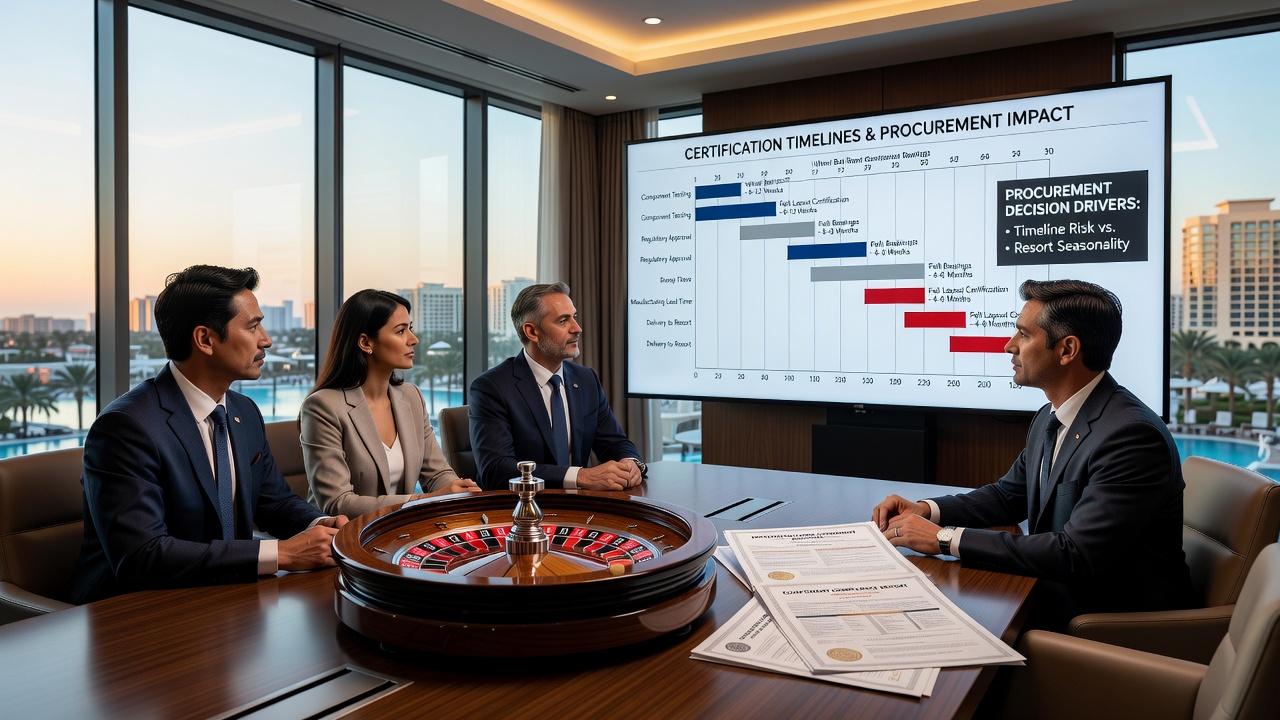
Certification timelines for roulette wheel components create measurable effects on how international resort operators plan and execute equipment purchases, and these timelines often stretch from several months to more than a year depending on the jurisdiction and testing requirements involved. Operators must coordinate component sourcing with regulatory approvals across multiple regions, which means procurement schedules align closely with the pace of laboratory evaluations conducted by independent testing facilities.
Regulatory Testing Processes and Regional Variations
Testing laboratories evaluate roulette wheels for fairness, durability, and security features before any component receives approval for use in licensed venues, and the duration of these evaluations differs significantly between markets such as Nevada, New Jersey, and various Asian jurisdictions. In the United States, facilities accredited by state gaming authorities typically require detailed mechanical inspections along with random number verification protocols that can extend review periods into six to nine months for new wheel designs or modified ball mechanisms.
Resort groups operating in multiple countries track these timelines through centralized procurement teams that maintain databases of certified suppliers, yet delays in one region frequently force adjustments to construction and opening schedules elsewhere. Data from industry reports compiled by the Nevada Gaming Control Board shows that wheel component approvals in that state averaged 7.4 months during the 2025 calendar year, a figure that influences how quickly operators can finalize orders for properties under development in neighboring markets.
Supply Chain Coordination Across Borders
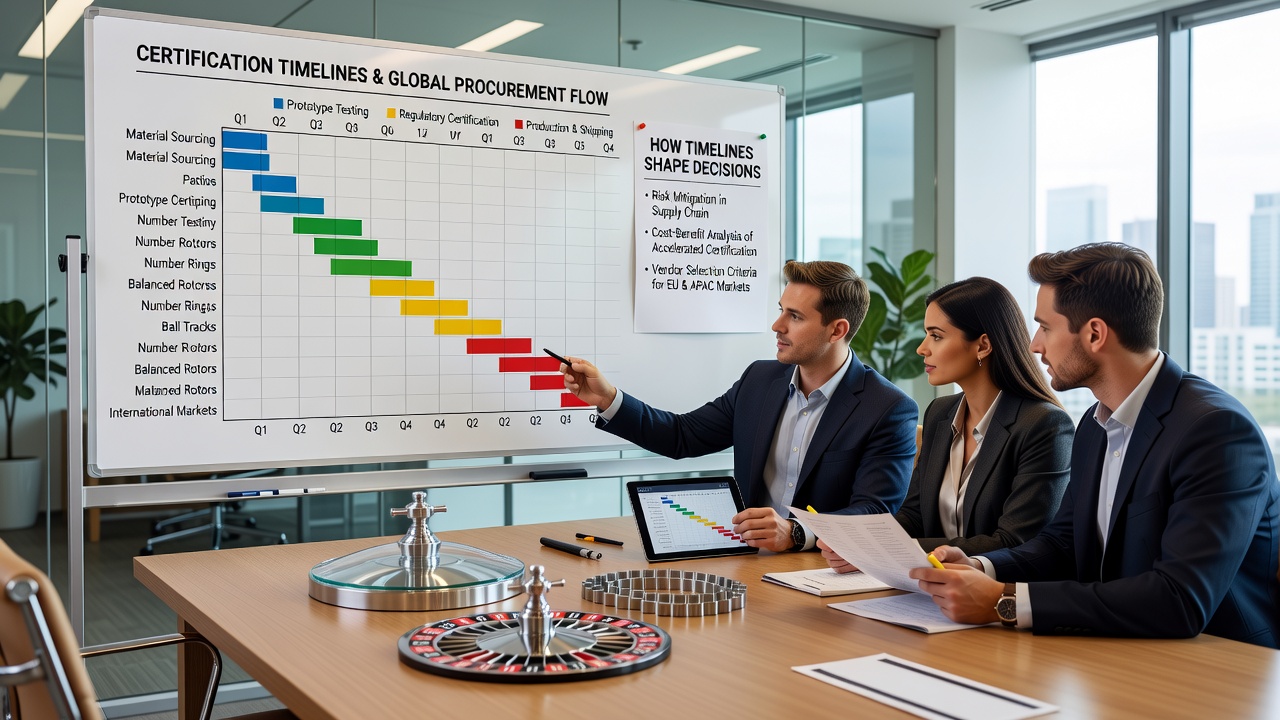
International operators source roulette wheels and related parts from manufacturers located in Europe, Asia, and North America, which requires synchronization between production lead times and certification windows that vary by destination country. When a supplier completes fabrication of a wheel assembly, the component must then undergo jurisdiction-specific testing that cannot begin until physical samples arrive at the designated laboratory, creating sequential bottlenecks that procurement managers must anticipate well in advance.
Those who manage large resort portfolios often maintain relationships with multiple certified manufacturers so that alternative components can be substituted if primary suppliers encounter extended review periods, and this strategy has become more common as new regulatory updates emerge in emerging casino markets. Figures released by the Victorian Commission for Gambling and Liquor Regulation in Australia indicate that certification processing for imported gaming equipment averaged 8.2 months in the most recent reporting cycle, prompting several Southeast Asian resort projects scheduled for mid-2026 openings to accelerate orders for pre-approved wheel variants.
Impact on Project Timelines and Budgeting
Procurement decisions at the resort level incorporate certification forecasts into capital expenditure models because extended approval periods directly affect cash flow and inventory holding costs for high-value components. Operators in June 2026 continue to monitor regulatory shifts in key markets such as Macau and Singapore, where updated standards for wheel calibration and security sensors have lengthened certain review cycles and forced revisions to equipment delivery contracts.
Resort development teams therefore build contingency buffers into their schedules that account for the longest expected certification path among target jurisdictions, and this practice reduces the risk of last-minute substitutions that could compromise game integrity or regulatory compliance. Research conducted by the Asia Pacific Gaming Association found that projects incorporating early certification planning experienced 22 percent fewer delays related to gaming equipment approvals compared with those that initiated testing after construction milestones were reached.
Strategic Supplier Selection adn Pre-Certification Options
Many international operators now prioritize suppliers that maintain libraries of pre-certified components for multiple jurisdictions because these options shorten the gap between order placement and operational deployment. Pre-certified wheels allow procurement teams to bypass initial laboratory evaluations in familiar markets, although operators must still verify that any modifications required for local regulations receive supplemental approvals that typically add two to four months to the process.
Case examples from resort groups expanding into Canada demonstrate how reliance on components already approved by the Alcohol and Gaming Commission of Ontario enabled faster rollout phases for new table game installations during 2025 and early 2026. Procurement contracts increasingly include clauses that tie payment milestones to certification completion dates rather than manufacturing completion alone, which aligns supplier incentives with the regulatory realities operators face across borders.
Conclusion
Certification timelines for roulette wheel components remain a central factor in procurement planning for international resort operators because they intersect directly with regulatory compliance, supply chain logistics, and project scheduling requirements. Operators that integrate detailed knowledge of regional testing durations into their purchasing strategies position themselves to manage equipment deployments more effectively across diverse markets, and ongoing regulatory developments in 2026 continue to shape how these decisions unfold in practice.