How Interactive Tutorial Systems Steer Newcomer Selections Among Roulette Variants in Regulated Mobile Casino Platforms
Written by Avery Jenkins · Aug 6, 2026

How Interactive Tutorial Systems Steer Newcomer Selections Among Roulette Variants in Regulated Mobile Casino Platforms
Interactive tutorial systems in regulated mobile casino platforms present structured sequences that introduce roulette variants to new users through step-by-step simulations, rule breakdowns, and comparative payout displays. These systems appear at first login or account creation stages across many licensed applications operating under frameworks from bodies such as the Michigan Gaming Control Board and the Alcohol and Gaming Commission of Ontario. Data from platform analytics shows that tutorial completion rates correlate with shifts in variant selection patterns during initial deposit and play sessions.
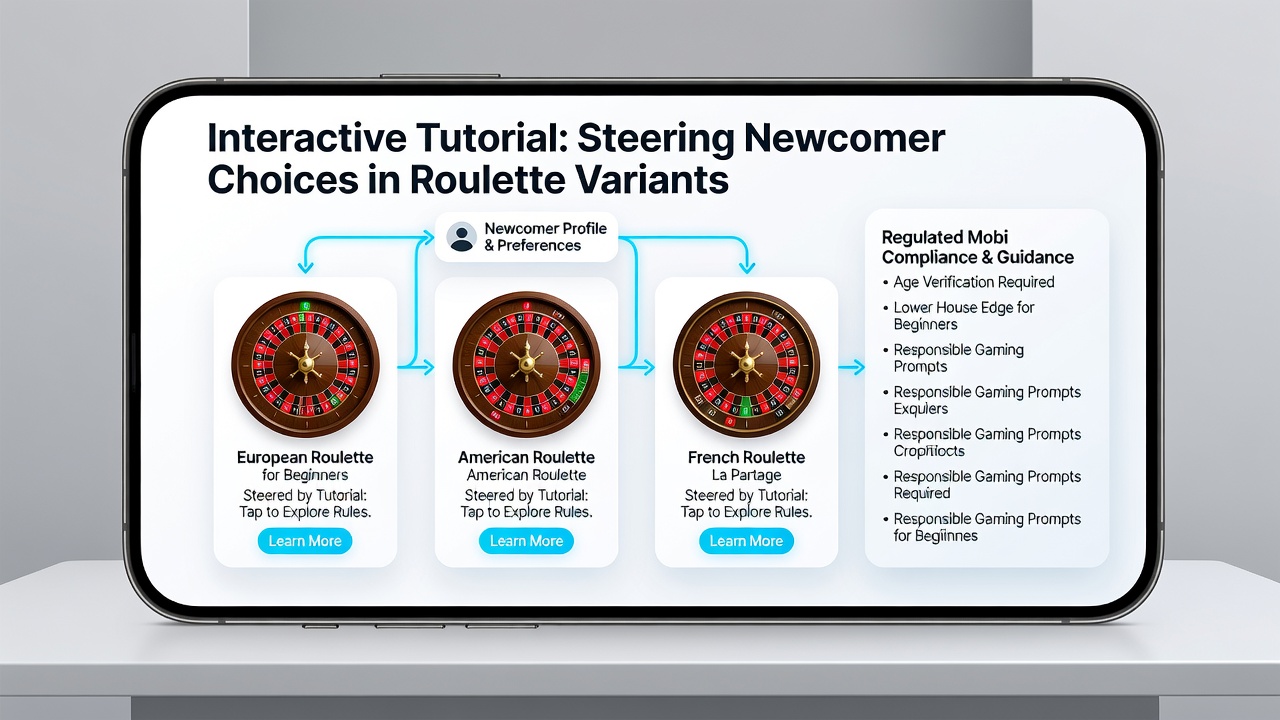
Tutorials typically begin with a neutral overview of wheel mechanics before branching into variant-specific modules. European roulette receives emphasis on its single-zero configuration through animated probability breakdowns, while American roulette sections highlight the double-zero addition alongside adjusted payout tables. French roulette modules demonstrate the la partage rule in action via interactive examples that calculate return-to-player percentages in real time. Observers note that users who complete all modules exhibit higher selection rates for European and French options compared to those who skip sections.
Mechanisms Within Tutorial Flows
Branching pathways allow users to compare variants side by side using sliders that adjust bet amounts and display projected outcomes across multiple spins. Color-coded indicators mark house edge differences without requiring external calculations, and progress bars reward module completion with temporary demo credits restricted to the highlighted variant. Research from the University of Nevada, Las Vegas indicates that such reward-linked pathways increase dwell time on lower-edge options by measurable margins in controlled A/B tests conducted through 2025.
Pop-up prompts appear at decision points where users might otherwise default to the most visually prominent variant. These prompts restate key differences in zero counts and special rules, then redirect to the corresponding demo table. Session logs from multiple operators reveal that repeated exposure to these prompts reduces initial American roulette selections in favor of single-zero alternatives among users in North American and European jurisdictions.
Regulatory Context and Platform Adaptations in 2026
Regulated platforms must maintain tutorial neutrality under licensing conditions that require equal presentation of variants while still allowing factual rule explanations. Updates rolled out in August 2026 across several Ontario-licensed applications introduced dynamic adjustment features that reorder variant tiles based on aggregate user completion data from prior months. These changes maintain compliance with existing rules yet produce measurable steering effects through interface sequencing rather than explicit recommendations.
Platform operators integrate tutorial data with broader user behavior tracking to refine module order. For instance, users who linger longer on payout comparison screens receive follow-up modules focused on French roulette edge-reduction mechanics. Reports from the Alcohol and Gaming Commission of Ontario document that such refinements coincide with increased trial volumes for variants carrying la partage provisions among new registrants.
Observed Selection Patterns and Supporting Data
Analytics from cross-platform studies show consistent patterns where tutorial-exposed users gravitate toward variants presented with interactive payout simulators. European roulette selections rise notably after users engage with modules that simulate 100-spin sequences displaying cumulative returns. American roulette retains traction primarily among users who exit tutorials early or access variants through direct lobby navigation without completing guided paths.
Geographic differences emerge when tutorials adapt to local regulatory language. Platforms serving Canadian users incorporate references to provincial gaming reports that list average return percentages, whereas those targeting Australian markets align module language with state-level responsible gambling disclosures. These adaptations maintain factual accuracy while aligning with regional compliance requirements that shape how variant information reaches newcomers.
Integration With Broader Onboarding Processes
Tutorial systems connect directly to deposit flows and first-bet prompts. After variant selection within the tutorial, the interface transitions to a pre-populated demo table that mirrors the chosen ruleset before prompting real-money play. This seamless handoff reinforces the tutorial pathway and contributes to sustained preference for the initially guided option across subsequent sessions, according to aggregated operator data through mid-2026.
Further refinements include optional audio narration that describes rule differences in neutral language and visual heatmaps that overlay winning number distributions across variants. These elements operate within the same compliance boundaries yet produce distinct selection distributions when tested against control groups without tutorial exposure.
Conclusion
Interactive tutorial systems in regulated mobile casino environments function through sequenced information delivery, comparative tools, and completion incentives that collectively influence which roulette variants new users try first. Data from licensing jurisdictions and academic analyses demonstrate measurable associations between tutorial design elements and selection outcomes without implying intent beyond regulatory adherence. Continued platform updates and regional compliance adjustments will likely sustain these steering dynamics as mobile roulette offerings expand.