How Player Interaction Data Reveals Preferences for Specific Roulette Mechanics Across International Digital Casino Networks
Written by Jakob Hartmann · Jul 14, 2026

How Player Interaction Data Reveals Preferences for Specific Roulette Mechanics Across International Digital Casino Networks
Data from international digital casino networks shows that player interaction metrics highlight clear preferences for particular roulette mechanics, including wheel configurations, betting limits, and rule variations such as single-zero versus double-zero designs. These patterns emerge from session durations, bet frequencies, and feature engagement rates tracked across platforms operating under multiple regulatory frameworks.
Analysts at major networks collect anonymized telemetry that captures how users navigate game interfaces, adjust stakes, and respond to autoplay options or live dealer integrations. In July 2026 several operators reported spikes in European-style roulette sessions compared to American variants, with interaction logs revealing extended play times when single-zero wheels appeared alongside customizable table layouts.
Mechanics That Drive Engagement
Player data indicates stronger retention around mechanics that allow flexible betting structures and reduced house edges. Sessions featuring French roulette rules with la partage options generate higher average spin counts per user, while American double-zero formats see quicker exits once initial bankrolls deplete. Interaction heatmaps demonstrate that players frequently toggle between speed settings and bet history displays, suggesting these tools influence continued participation more than visual themes alone.
Cross-network comparisons reveal that mobile users favor mechanics supporting quick-deposit features and instant cash-out prompts during roulette rounds. Desktop sessions, by contrast, show prolonged exploration of multi-wheel or multi-ball variants when those options remain accessible without additional navigation steps.
Geographic Patterns in Digital Networks
Regional datasets illustrate distinct trends tied to local regulations and currency handling. European operators record elevated interaction with live-streamed French roulette tables that incorporate neighborhood betting grids, whereas North American platforms document preference shifts toward RNG-driven American variants during peak evening hours. Australian networks report consistent engagement with hybrid games that blend traditional wheel spins with bonus round triggers, based on telemetry shared through industry consortium reports.
One study from the European Gaming and Betting Association examined aggregated logs across five jurisdictions and found that players in regulated markets spend 23 percent more time on tables offering both European and French mechanics when those choices appear within the same lobby interface. Similar patterns appear in data from the New Jersey Division of Gaming Enforcement, where interaction volumes for customizable limit tables exceed those for fixed-stake options by measurable margins.
Role of Session Analytics and Feature Usage
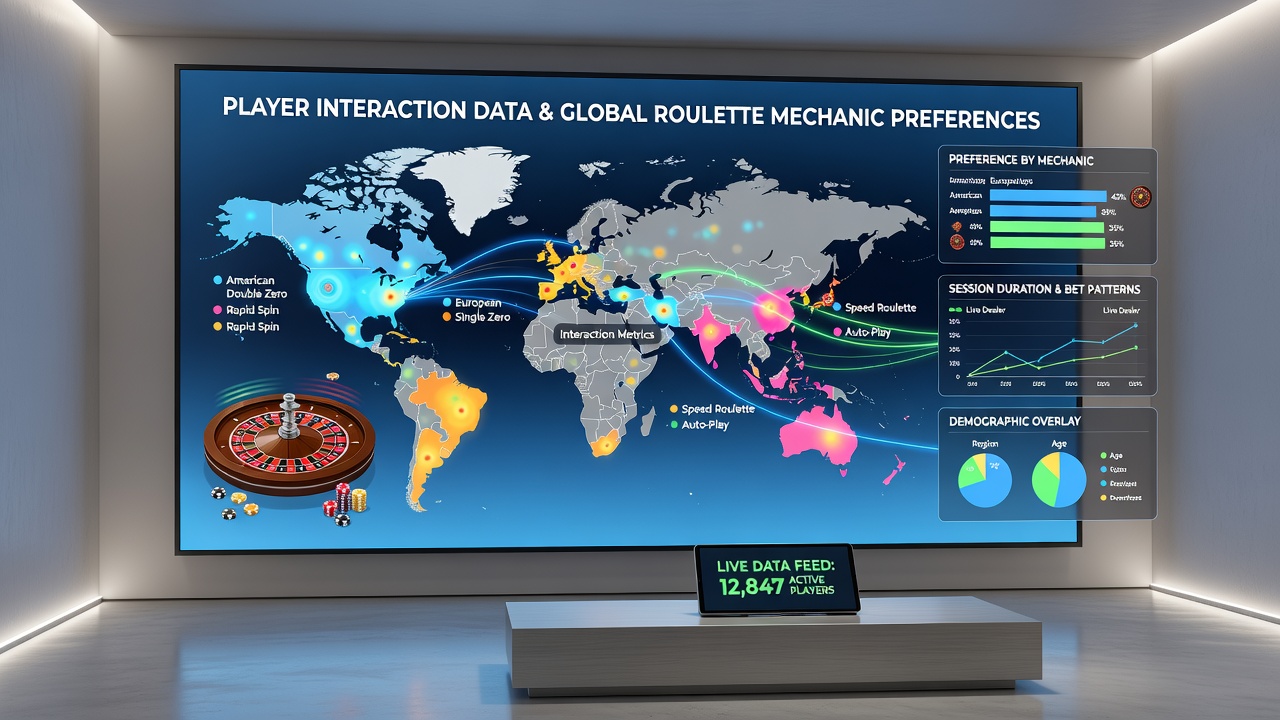
Heatmap and funnel analyses track where users place bets most often and which automation tools they activate. Data indicates frequent selection of neighbor bets and column coverage when those controls sit prominently on the interface, while corner and street wagers appear less in shorter sessions. Observers note that autoplay sequences lasting 50 or more spins correlate with European mechanics, whereas manual spin patterns dominate American variants during high-volatility periods.
Additional metrics from cross-border platforms show that sound-toggle usage and chat integration affect dwell time differently depending on the wheel type presented. Networks that surface these controls early in the game flow record sustained engagement across both RNG and live dealer formats.
Implications for Platform Development
Developers adjust mechanic availability based on these interaction signals. When logs reveal repeated returns to single-zero tables with adjustable speed, operators expand such options across additional markets. Conversely, low engagement with certain bonus overlays prompts removal or repositioning in subsequent updates. July 2026 updates at several international networks incorporated these findings by prioritizing European and French rule sets in mobile lobbies after reviewing six months of session telemetry.
Regulatory bodies in multiple regions continue to monitor how these data-driven adjustments align with responsible gaming standards while still permitting the mechanics that sustain player interest.
Conclusion
Interaction data across international digital casino networks provides measurable evidence of player preferences for specific roulette mechanics. Patterns in session length, bet selection, and feature activation guide operators toward configurations that match observed behavior in different regulatory environments. Continued analysis of these metrics supports ongoing refinements in game presentation and accessibility features without altering core random outcomes.