Regulatory Frameworks Shape Mobile Roulette Access and Platform Design in 2026
Written by Jakob Hartmann · Aug 20, 2026

Regulatory Frameworks Shape Mobile Roulette Access and Platform Design in 2026
Regulatory requirements continue to influence how mobile roulette applications present options to users while incorporating accessibility standards across multiple licensing regions. Developers integrate features such as screen reader compatibility and adjustable interface elements to meet mandates from bodies including the New Jersey Division of Gaming Enforcement and the Alcohol and Gaming Commission of Ontario. These adjustments occur alongside rules that govern game fairness, data protection, and age verification processes in digital environments.
Accessibility Standards Drive Interface Adjustments
Platform operators incorporate voice navigation tools and high-contrast modes because regulations in several jurisdictions demand equal access for players with visual or motor impairments. Studies from industry research groups show that mobile applications updated in early 2026 added gesture-based controls to align with emerging accessibility guidelines. Those changes allow users to select roulette variants without relying solely on touch precision, which satisfies compliance audits conducted by state and provincial authorities.
Data from platform analytics firms indicate that sessions involving customized interfaces last longer on average, yet operators must balance these features against restrictions on session duration that some regulators impose to address responsible gaming concerns. In August 2026, several North American markets began requiring real-time accessibility reports as part of license renewal applications, prompting developers to log user interactions with adaptive tools more systematically.
Compliance Requirements Vary by Jurisdiction
Licensing conditions differ substantially between regions, which affects the roulette options available on mobile platforms. European operators often follow directives that emphasize random number generator certification and payout transparency, whereas certain U.S. state frameworks focus on geolocation verification and integration with centralized player databases. Australian regulatory updates effective mid-2026 introduced mandatory testing for mobile-specific features such as push notification controls and offline mode restrictions.
Observers note that operators active in multiple markets maintain separate code branches to satisfy these divergent rules without disrupting core gameplay mechanics. One compliance report released by a Canadian provincial agency highlighted that applications failing to implement required verification steps faced temporary removal from approved distribution channels until corrections were verified through third-party audits.
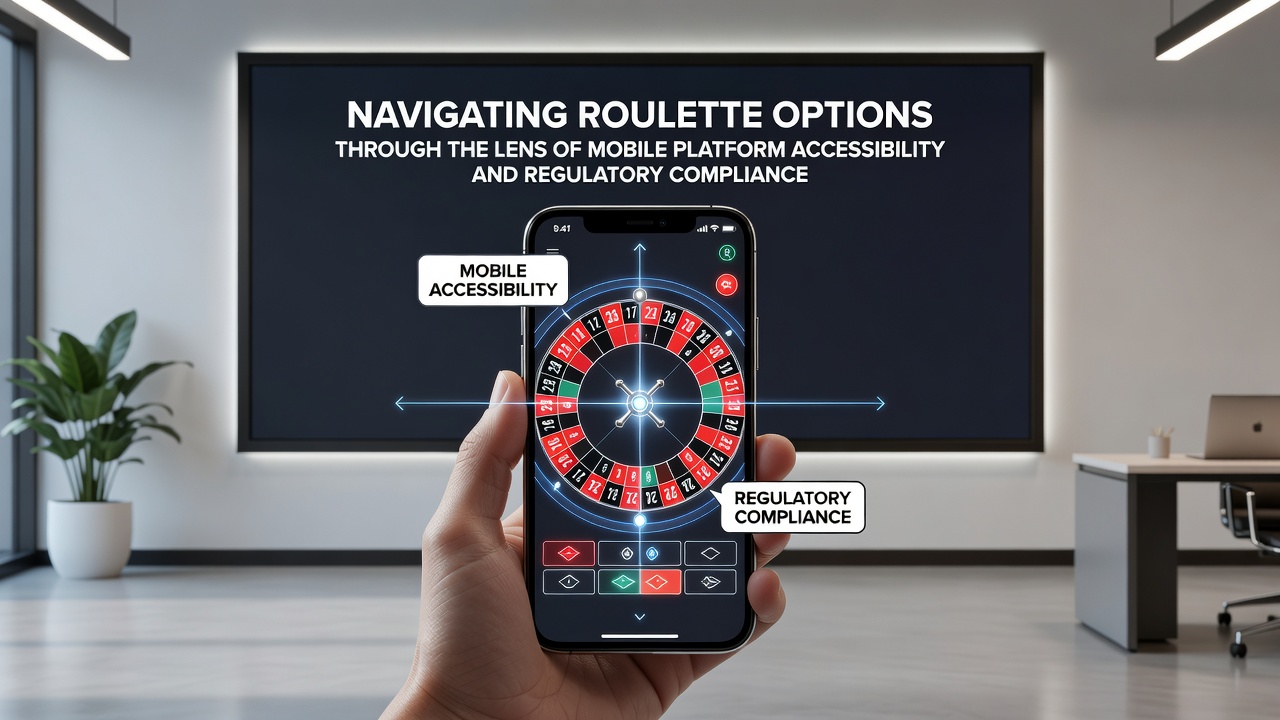
Technical Integration of Regulatory and Accessibility Elements
Developers combine regulatory reporting modules with accessibility layers so that a single update addresses both sets of requirements. Automated testing suites now scan for color contrast ratios and keyboard navigation paths in addition to logging game outcome data required by oversight agencies. This dual-purpose approach reduces the frequency of separate patches while ensuring platforms remain operational across borders.
Figures from a 2025 industry survey conducted by an academic research center revealed that 68 percent of mobile roulette applications incorporated at least one accessibility feature tied directly to regulatory mandates. Those applications also demonstrated higher retention rates in jurisdictions where regulators publish public scorecards on operator performance. The integration process typically involves collaboration between legal teams and user experience designers who reference both gaming statutes and accessibility legislation such as the Americans with Disabilities Act updates.
Player Options Expand Under Controlled Conditions
Regulatory approvals have enabled the addition of new roulette variants on mobile platforms provided they undergo independent testing for fairness and accessibility. Live dealer streams, for instance, require captioning options in certain markets to accommodate users with hearing impairments. Platforms that meet these criteria can offer a broader selection while remaining within the parameters set by licensing authorities.
Cross-border services face additional layers of scrutiny because operators must reconcile rules from multiple agencies simultaneously. A joint statement issued by gaming regulators in Michigan and Pennsylvania in 2026 outlined shared standards for mobile application certification, including provisions for accessible payment interfaces and clear display of house edge information. Operators that align with these standards gain streamlined approval pathways, which accelerates the rollout of updated roulette features.
Conclusion
Mobile roulette navigation continues to evolve under the combined influence of accessibility mandates and regulatory compliance frameworks. Jurisdictions maintain distinct requirements that shape interface design, variant availability, and verification procedures, yet operators respond by embedding compliance mechanisms directly into development pipelines. As August 2026 progresses, further alignment between accessibility standards and gaming regulations appears likely, with platforms adapting to maintain approval across expanding markets.