Reward Structures and Their Role in Shaping Roulette Game Selections Across Jurisdictional Mobile Platforms
Written by Finley Keller · Aug 27, 2026

Reward Structures and Their Role in Shaping Roulette Game Selections Across Jurisdictional Mobile Platforms
Regulatory frameworks in multiple regions continue to evolve as mobile platforms expand their reach, and loyalty programs have emerged as key factors that guide how users approach different roulette formats. Data from industry reports in 2026 shows that operators adjust reward tiers based on local licensing requirements, which in turn affects the popularity of American, European, and French roulette styles within the same application. Players in jurisdictions with strict bonus caps often receive tiered points that unlock free spins on specific variants, while those in more permissive markets gain access to cashback offers tied to higher-stake tables.
Regulatory Variations Across Borders Influence Reward Mechanics
Authorities in Canada, Australia, and several European Union member states maintain distinct rules on promotional structures, and these differences create varied incentive landscapes for mobile roulette users. The Canadian Gaming Association tracks how provincial operators structure loyalty points around live dealer sessions, whereas Australian state regulators focus on session time limits that pair with reward multipliers. Observers note that users frequently switch between variants when points systems change, such as when a platform introduces double rewards for European wheel play during certain months. Research from academic groups in 2025 highlighted correlations between these adjustments and session lengths, with longer engagement recorded in markets that tie loyalty tiers directly to variant selection.
How Point Systems Direct Variant Choices in Mobile Environments
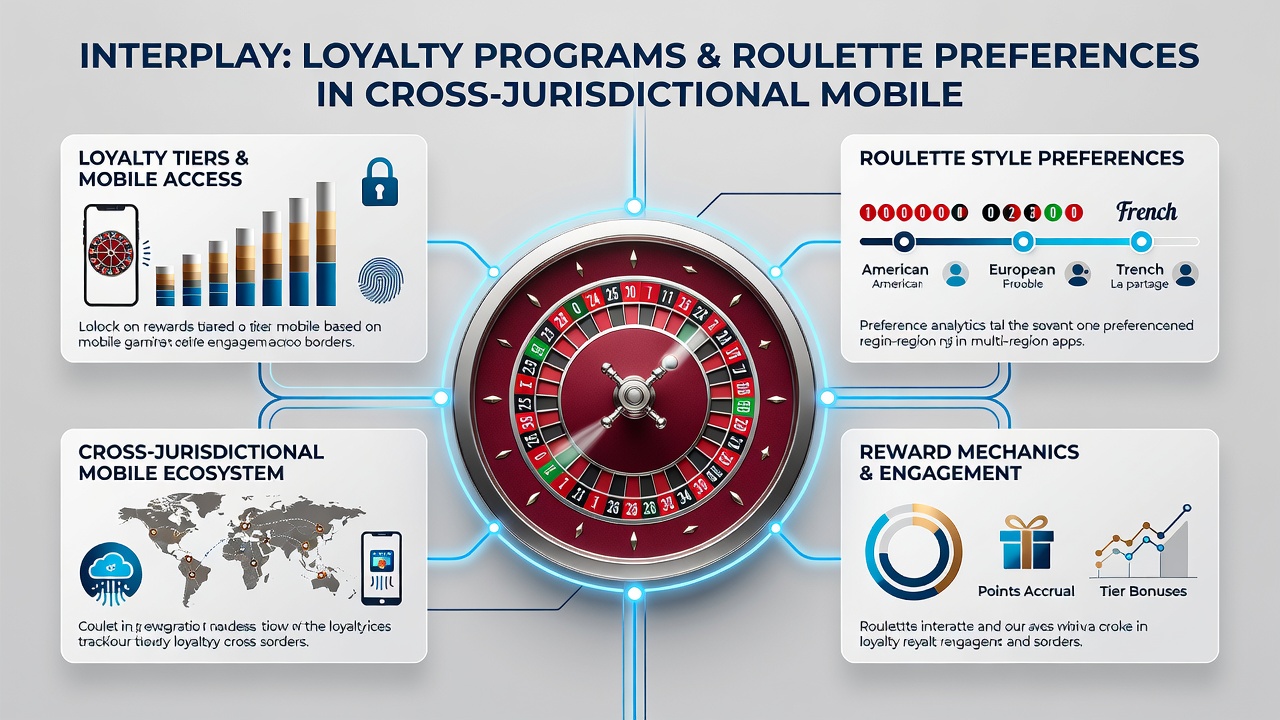
Mobile applications collect detailed user data on game preferences, and loyalty algorithms use this information to present personalized offers that steer activity toward particular roulette styles. In cross-jurisdictional setups, a single platform may display American roulette with higher point accumulation rates for users in one licensing zone while promoting French roulette with lower house edge incentives for another group. Figures from platform analytics in August 2026 indicate that users who reach mid-tier loyalty status show increased selection rates for variants featuring additional betting options, such as the la partage rule. Operators implement these mechanics to comply with regional payout restrictions while maintaining engagement across borders.
One study conducted by a research institute in North America examined how reward redemption options alter player paths through different wheel formats. The findings revealed that when loyalty points convert more readily into bonus bets on slower-paced variants, users extend their sessions on those tables. Cross-border services must navigate these patterns carefully because data privacy rules in the European Union require explicit consent for such tracking, which influences how programs display variant suggestions.
Data Patterns Reveal Connections Between Rewards and Style Preferences
Platform operators report that loyalty program participants demonstrate measurable shifts in roulette selections when new reward categories launch. In markets where regulators limit deposit bonuses, points-based systems that grant access to exclusive variant lobbies become primary engagement tools. Australian regulatory updates from early 2026 required clearer disclosure of how points translate into game credits, and operators responded by highlighting specific roulette styles within those disclosures. Users in these regions show higher interaction with French roulette after such changes because the associated rewards emphasize extended playtime rather than immediate cash equivalents.
Industry organizations in multiple regions compile statistics that link loyalty tier progression to variant popularity. Reports indicate that users who accumulate points through consistent American roulette play often receive targeted offers for European variants once they reach higher tiers, creating a migration pattern across game types. This occurs because operators balance their risk profiles by encouraging play on wheels with different statistical outcomes. Cross-jurisdictional platforms must synchronize these offers with local rules, which means the same loyalty level may unlock different variant incentives depending on the user's registered location.
Technical Integration of Loyalty Features in Mobile Applications
Developers build loyalty modules that interface directly with roulette game engines, allowing real-time adjustments to reward displays based on jurisdictional settings. When a user logs in from a new region, the application references licensing databases to determine which point structures apply and which variants receive promotional emphasis. This technical layer supports compliance while presenting users with options that align with their accumulated rewards. Evidence from software testing in 2026 shows that seamless integration reduces friction when players explore new styles prompted by loyalty notifications.
Conclusion
Loyalty programs function as dynamic tools that respond to regulatory environments while guiding roulette variant selections in mobile casino applications operating across multiple jurisdictions. Platform data continues to demonstrate connections between reward structures and user preferences, with adjustments occurring in response to licensing updates and regional requirements. As mobile gaming expands, operators refine these systems to maintain alignment with local rules and user activity patterns observed in August 2026 and beyond.