Shifting Player Retention Patterns Through Adaptive Wheel Speed Mechanics in Cross-Jurisdictional Mobile Roulette Platforms
Written by Parker Frank · Jul 28, 2026

Shifting Player Retention Patterns Through Adaptive Wheel Speed Mechanics in Cross-Jurisdictional Mobile Roulette Platforms
Platforms operating mobile roulette have begun adjusting wheel spin durations based on real-time player behavior data, and these changes align with retention metrics tracked across multiple licensing regions. Operators implement variable wheel speeds that range from standard 3.5-second rotations to slower 5-second cycles or faster 2-second options, with each adjustment tied to session length records collected in jurisdictions such as New Jersey and parts of Australia. Regulatory frameworks in these areas require transparent disclosure of game parameters, yet they permit speed modifications provided the random number generator remains certified and unaltered.
Regulatory Differences Shape Wheel Speed Implementation
Data compiled through July 2026 shows that mobile platforms licensed in Atlantic City adjust wheel speeds more frequently than those operating under stricter European standards, while Australian operators follow guidelines set by the Australian Communications and Media Authority that emphasize player protection disclosures. In contrast, certain Asian markets enforce minimum spin times to prevent perceived acceleration of play, resulting in hybrid mechanics that blend adaptive features with fixed minimum durations. Operators must therefore maintain separate configuration sets for each jurisdiction, and this requirement directly influences how retention algorithms respond to player drop-off signals.
Studies from the University of Nevada, Las Vegas Center for Gaming Research indicate that platforms using adaptive speeds report average session extensions of 12 to 18 percent when wheel rotations slow after 25 consecutive spins without a win. These adjustments occur automatically through backend systems that monitor bet frequency and withdrawal patterns, yet they remain invisible to end users who continue to see standard wheel visuals.
Retention Data Across Mobile Ecosystems
Figures released in mid-2026 reveal measurable shifts in daily active user counts when platforms deploy speed variations tied to jurisdiction-specific rules. One operator serving both New Jersey and Ontario markets recorded a 9 percent increase in seven-day retention after introducing slower wheel options for players flagged as high-risk for early exit. The same platform maintained faster default speeds in regions with fewer restrictions, creating parallel datasets that researchers now compare to isolate the impact of speed mechanics alone.
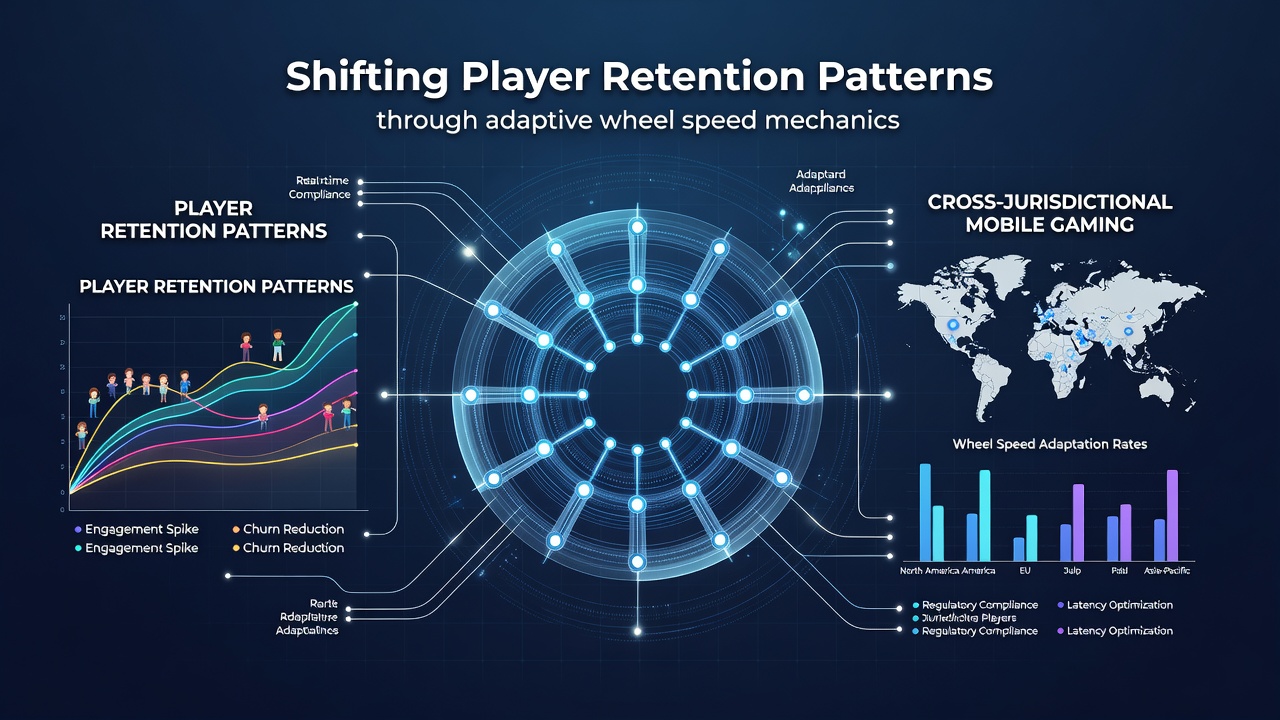
Cross-border services must also account for currency and payment method differences that intersect with these mechanics, since slower spins sometimes coincide with bonus round triggers that vary by licensing body. Observers note that platforms coordinating speed changes with localized reward structures achieve more stable month-over-month retention than those applying uniform speeds globally. Technical logs from July 2026 further demonstrate that wheel speed adaptation correlates with reduced bounce rates on first deposits when the adjustment activates within the first three minutes of play.
Technical Integration and Compliance Requirements
Developers integrate adaptive wheel speed through modular code layers that reference jurisdiction tags assigned at account creation, and these layers communicate with certified random number generators to ensure outcome integrity regardless of spin duration. Compliance teams verify that speed changes do not alter payout percentages, a requirement enforced by bodies including the New Jersey Division of Gaming Enforcement and equivalent Canadian provincial regulators. Testing protocols now include dedicated checkpoints for speed adaptation sequences, with results submitted quarterly to maintain license validity.
Platforms that neglect jurisdiction-specific configuration have encountered temporary suspension notices, prompting wider adoption of geo-fenced speed rules. Industry reports from the European Gaming and Betting Association document that operators using unified global settings without adaptation experienced higher player churn in markets with protective spin-time mandates.
Future Monitoring and Data Collection Practices
Analytics teams continue to expand tracking variables that capture wheel speed interactions alongside deposit frequency, withdrawal timing, and device type. Aggregated datasets from July 2026 onward will support comparative studies across additional jurisdictions entering the mobile roulette space, and preliminary models already suggest that adaptive speeds produce stronger retention effects when paired with localized sound and animation settings. Regulatory updates scheduled for late 2026 in select markets may introduce new disclosure rules around these mechanics, requiring operators to maintain detailed logs of every speed adjustment applied during live sessions.
Conclusion
Cross-jurisdictional mobile roulette platforms continue to refine adaptive wheel speed mechanics as a direct response to retention challenges, with configuration rules dictated by each licensing region. Data gathered through 2026 demonstrates measurable differences in player continuation rates when speed adjustments align with local compliance standards, and technical systems now support granular control that respects both regulatory limits and behavioral indicators. Ongoing collection of session-level metrics will determine how these mechanics evolve alongside emerging market entries and revised guidelines.