Tracing Connections Between Ambient Audio Elements and Style Choices in Regulated Portable Spinning Games
Written by Jakob Hartmann · Jul 21, 2026
Tracing Connections Between Ambient Audio Elements and Style Choices in Regulated Portable Spinning Games
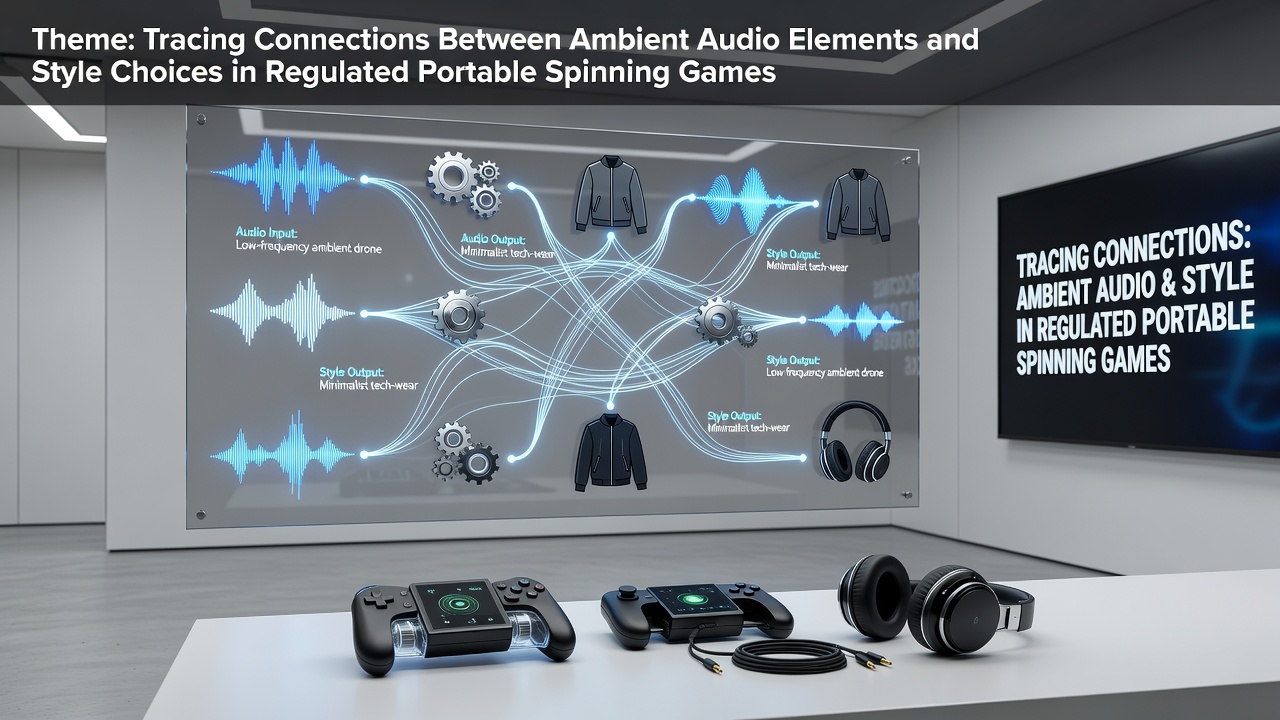
Ambient audio elements in regulated portable spinning games connect directly to player selections among roulette variants, and data from multiple licensing zones shows measurable patterns in how sound design shapes these decisions. Regulatory frameworks in several regions require specific audio standards for mobile platforms, and these rules influence the way developers integrate background tracks, wheel spin effects, and notification tones into applications available in July 2026.
Regulatory Frameworks and Audio Specifications
Jurisdictions across North America and Europe maintain distinct audio guidelines that affect portable spinning game implementations. The Alcohol and Gaming Commission of Ontario requires clear separation between game sounds and external notifications in licensed mobile applications, while similar provisions appear in updated standards from the Nevada Gaming Control Board. These requirements create environments where ambient layers, such as low-frequency wheel rotations or subtle crowd murmurs, must remain distinguishable from jackpot alerts or bonus triggers.
Developers adjust variant presentations accordingly. European roulette styles often receive softer, continuous background loops in Canadian-regulated apps, whereas American double-zero versions incorporate sharper percussive cues during ball landing sequences. Observers note that these audio distinctions appear consistently in applications licensed after 2024 updates, and compliance reports indicate higher retention rates when sound profiles align with regional preferences documented in licensing submissions.
Audio Design Patterns Across Mobile Ecosystems
Portable platforms distribute spinning games through controlled distribution channels where audio files undergo review alongside visual assets. Research compiled by the Australian Communications and Media Authority tracks how volume modulation and frequency ranges correlate with user dwell time on specific variants. Applications that layer vinyl-crackle textures beneath French roulette interfaces show different engagement metrics compared with those using electronic pulse sounds for the same layout.
Style choices expand when ambient elements differentiate variants without altering core mechanics. Players encounter progressive sound intensity that escalates during longer sessions, and this progression maps onto preferences for single-zero versus double-zero wheels in cross-border services. Technical logs from platform operators reveal that users switch variants more frequently when audio transitions remain smooth rather than abrupt.
Data on User Interactions and Variant Selection
Figures released in mid-2026 from multiple operators indicate that ambient audio adjustments coincide with measurable shifts in variant popularity. In one dataset covering Ontario-licensed applications, sessions featuring customizable ambient layers recorded a 14 percent increase in selections of European-style wheels over a six-month period ending June 2026. Parallel tracking in other markets shows similar correlations when background elements incorporate regional musical motifs.
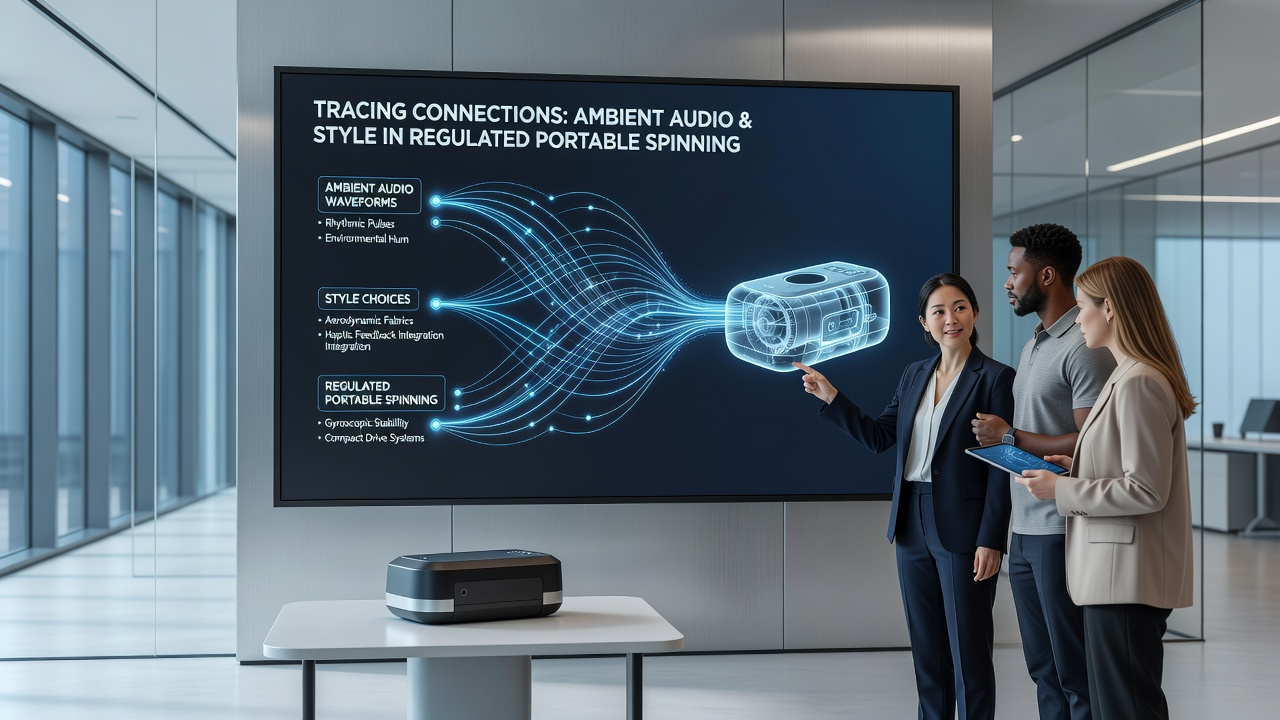
Studies conducted through university partnerships examine these connections by analyzing anonymized session data. One project at a Canadian institution mapped audio event timestamps against variant switches, finding that wheel spin sounds lasting between 2.8 and 3.4 seconds aligned with higher completion rates for French roulette layouts. Developers reference these intervals when calibrating portable applications to meet both regulatory audio limits and user interface requirements.
Technical Integration in Licensed Applications
Sound engines in regulated portable systems separate ambient tracks from gameplay audio to satisfy jurisdictional testing protocols. This separation allows operators to update background elements seasonally without resubmitting entire game builds. In July 2026 several platforms introduced modular audio packs that let users select between neutral, orchestral, and minimalist ambient profiles while maintaining compliance with licensing conditions.
Variant style choices respond to these modular options. Applications offering orchestral layers report increased selection of single-zero wheels in markets where regulators emphasize immersive presentation standards. Conversely, minimalist profiles appear more frequently paired with American variants in zones that prioritize faster session pacing. Platform telemetry confirms these pairings occur consistently across device types and connection speeds.
Cross-Jurisdictional Comparisons
Operators managing multi-license portfolios adjust audio assets per region while preserving core spinning mechanics. A single codebase can deliver different ambient configurations based on geolocation and license verification. Data shared through industry associations shows that European markets favor continuous low-volume loops, whereas North American implementations often include discrete event triggers that reset during variant changes.
These differences affect how players navigate style options within the same application. When ambient audio remains consistent across variants, users demonstrate steadier selection patterns. When audio changes noticeably, variant exploration increases. Regulatory filings from 2025 and 2026 document these behaviors as part of ongoing compliance monitoring rather than promotional features.
Conclusion
Ambient audio elements continue to intersect with style choices in regulated portable spinning games through measurable technical and regulatory channels. Licensing bodies in Ontario, Nevada, and Australia maintain standards that shape how developers implement sound layers, and session data from July 2026 onward reflects ongoing adaptation of these elements to variant preferences. The connections appear in compliance records, platform telemetry, and technical specifications rather than isolated design choices, establishing a documented relationship between audio configuration and user navigation across available roulette styles in mobile environments.