Tracing the lineage from mechanical European wheels to today's app-based variants amid changing mobile gaming laws
Written by Avery Jenkins · Jul 25, 2026
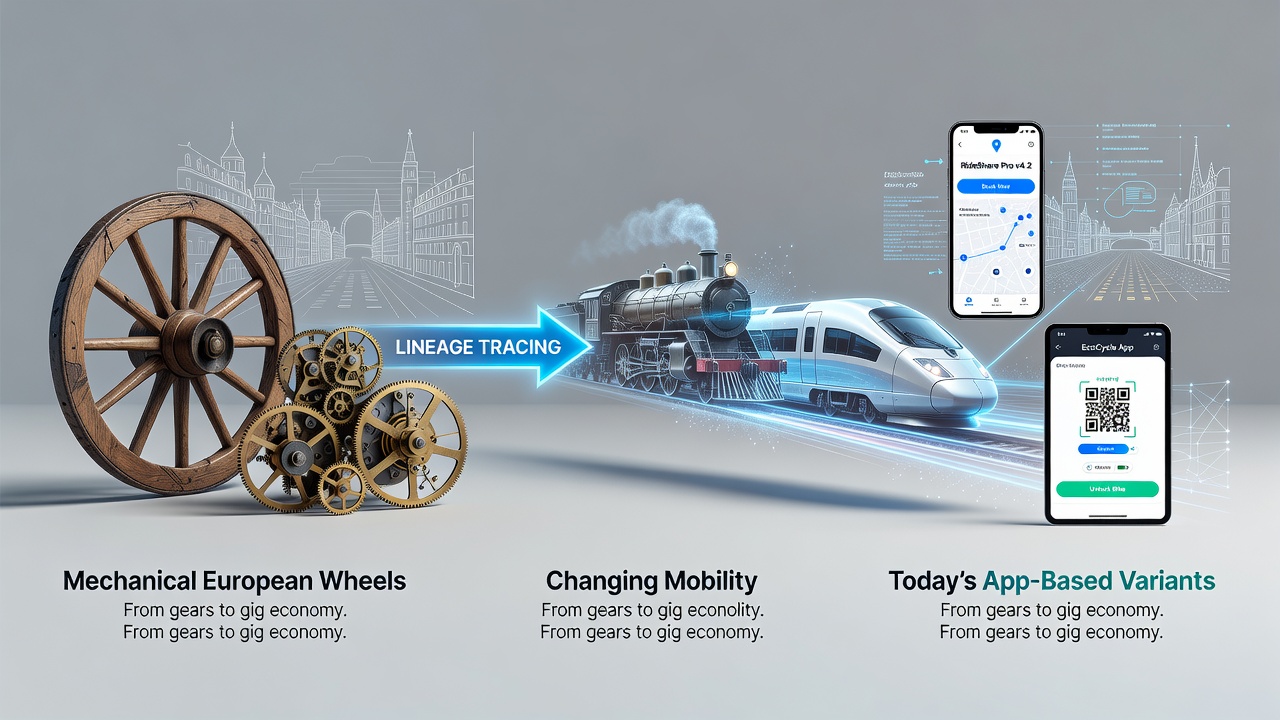
Tracing the lineage from mechanical European wheels to today's app-based variants amid changing mobile gaming laws
European roulette traces its mechanical origins to 18th-century France where Blaise Pascal's probability experiments contributed to early wheel designs that featured 37 pockets including a single zero; those physical devices spread through Parisian casinos and established the foundation for later variants that crossed into other regions. Observers note that 19th-century manufacturers refined the wheels with precision bearings and balanced rotors so that outcomes remained unpredictable while operators maintained consistent spin durations across multiple venues.
Transition from physical mechanisms to electronic systems
By the mid-20th century several European and American manufacturers introduced electronic sensors and random number generators that replaced manual spins yet preserved the visual layout of numbered pockets and the rotating wheel graphic; data from industry records shows these machines first appeared in Nevada casinos during the 1970s and reduced staffing requirements while maintaining payout percentages set by regulatory statutes. Those early electronic cabinets paved the way for networked systems that allowed central monitoring of multiple terminals from a single control room.
Expansion into mobile platforms and regulatory adjustments
Smartphone penetration accelerated the shift toward app-based roulette after 2010 when operators adapted existing random number algorithms to portable devices and introduced touch-screen controls that replicated the swipe gesture of a physical wheel; figures from regulatory filings indicate mobile gaming revenue in several jurisdictions grew steadily as licensing frameworks evolved to cover remote play. In July 2026 several North American and European markets implemented updated mobile gaming statutes that required operators to demonstrate geofencing accuracy and real-time transaction logging before renewing app distribution permits.
Researchers at academic institutions have documented how these statutes prompted developers to segment game libraries so that variants such as French, American, and European roulette each carry distinct configuration files that align with local house-edge limits; one study revealed that compliance teams now conduct quarterly audits of server-side seed generation to satisfy audit trails demanded by oversight bodies. Those who've examined the codebases note that encryption standards for session data have tightened in response to cross-border data transfer rules.
Regional licensing changes and variant availability
Canadian provinces updated their remote gambling directives in 2025 to require separate approval for each roulette variant offered through mobile channels while Australian state regulators introduced mandatory responsible gaming prompts that appear at fixed intervals during app sessions; according to the Victorian Commission for Gambling and Liquor Regulation these prompts reduced average session length by measurable percentages in the first quarter after implementation. Meanwhile the Nevada Gaming Control Board published guidance clarifying that app-based wheels must display the same 38-pocket configuration used in land-based American roulette when offered to users located within state borders.
Market data indicates operators responded by creating jurisdiction-specific build versions rather than a single global application; this approach allows rapid toggling of zero-pocket counts and minimum bet thresholds to match each licensing zone. People familiar with deployment pipelines report that automated testing suites now verify compliance flags before each update reaches app stores.
Technical adaptations driven by compliance requirements
Algorithm transparency mandates have led several developers to publish summaries of their pseudorandom number generators alongside third-party certification reports; such documentation details how seed values incorporate hardware entropy sources from the device itself to maintain statistical independence between spins. Observers note that latency optimizations for live dealer streams have also been constrained by rules requiring video feeds to originate from licensed studios rather than simulated environments in certain markets.
Integration of player verification systems has become standard so that age and location checks occur before any game variant loads; this infrastructure supports the dynamic disabling of specific wheel types when users cross regulatory boundaries during travel. Data from compliance dashboards shows that these controls activate within milliseconds of a detected location change.
Conclusion
The lineage from hand-spun European wheels to algorithm-driven mobile applications reflects successive layers of mechanical refinement followed by electronic replication and finally regulatory-mandated customization; each stage preserved core probability structures while adapting interface and operational parameters to meet evolving legal frameworks across multiple continents. Continued updates to mobile gaming statutes will likely shape further technical iterations as operators align product offerings with jurisdiction-specific requirements.